
Pro Tips
Your Knee Hurts? Your Knee is Not the Problem
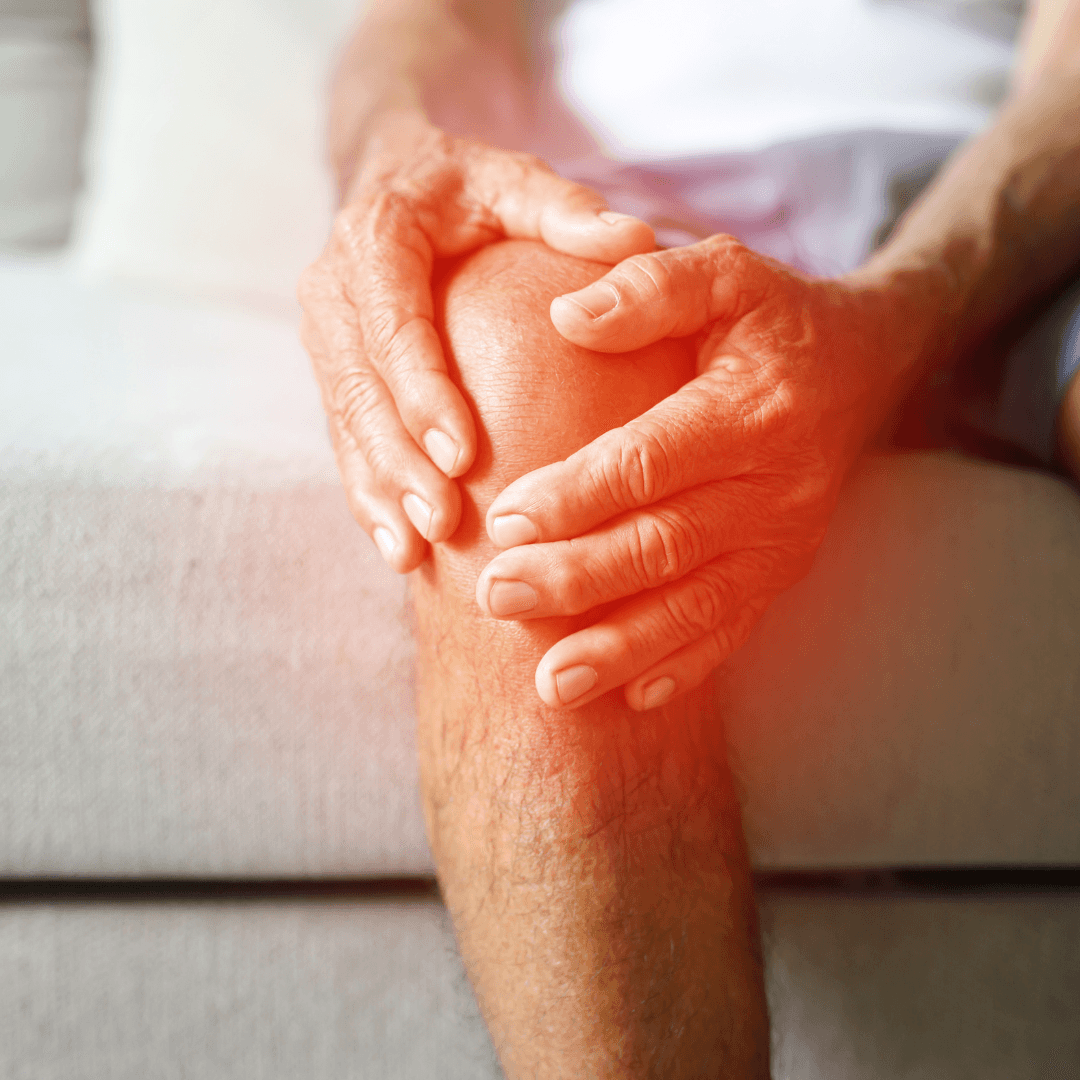
The Real Reason Your Knees Hurt During Squats (And How to Fix It Fast)
Knee pain during squats frustrates many gym-goers. However, the knee is rarely the main issue. Instead, poor movement patterns create extra stress, leading your knee to handle more weight than it should.
Most people think their knees are weak. Yet, the real problem often lies elsewhere. Weak glutes, tight ankles, and poor hip movement contribute to the issue. Fixing these areas can significantly reduce knee strain.
The Body Works as a Team
Your body works as a coordinated system. Three main players control squat movement: the hips, knees, and ankles.
When all three work together, movement feels smooth and strong. Problems arise when one or more parts fail, forcing the others to compensate.
In many cases, the knee becomes overworked. Initially, it manages the extra load well, but eventually, it starts to break down.
Poor Glute Activation Increases Knee Stress
Your glutes are crucial for stabilizing your body. Sadly, many people do not activate them properly, causing the knees to take on more pressure.
Strong glutes help control movement during squats. They also prevent your knees from collapsing inward. Without proper activation, your squat becomes less effective.
Focusing on glute engagement can improve knee health. Exercises like bridges and clamshells can help. Controlled squats also reinforce proper activation.
Limited Ankle Mobility Disrupts Your Form
Ankle mobility, especially dorsiflexion, affects squat depth and alignment. If your ankles feel tight, your form will suffer. This tightness can lead your knees to shift forward too much.
This movement increases stress on the knee joint. Over time, it can cause pain and discomfort. Thus, improving ankle flexibility is essential.
Regularly stretching your calves can help increase mobility. Ankle drills can also improve your range of motion. This way, your squat becomes more balanced and controlled.
Improper Hip Hinge Causes Compensation
The hip hinge is a basic movement pattern, but many people fail to execute it correctly, instead relying too much on their knees.
A proper hip hinge shifts the load to the hips and glutes. Without it, the knees absorb most of the force, leading to unnecessary strain.
Practicing hip hinge drills can improve your movement efficiency. Deadlifts and good mornings reinforce this pattern. Over time, your squat mechanics will enhance.
The Cycle of Temporary Relief
Many people treat knee pain with rest and recovery methods like icing, massage, and reduced activity. While these methods may provide temporary relief, they do not address the root cause.
Once you resume activity, the pain often returns since movement patterns haven't changed. This creates a repeating cycle.
To break this cycle, you must address the underlying issues. Instead of just treating symptoms, focus on correcting your movement. This strategy will yield long-term results.
Train Your Body to Move as One Unit
Your goal should not just be isolated strength. You must train your body to move as one unit. Coordination between joints reduces the stress on any single area.
Functional training helps achieve this balance. Exercises that engage multiple muscle groups improve overall movement quality. Controlled practice also builds proper mechanics.
Consistency is crucial. Over time, you will adapt to better movement patterns, which will greatly reduce your risk of injury.
Why Moving Well Matters More Than Lifting Heavy
Many people pursue heavier weights without mastering their technique. However, poor form leads to long-term issues. Thus, movement quality should always come first.
When you move well, strength comes along naturally. Efficient movement also protects your joints, lowering the chance of recurring injuries.
Focus on controlled, intentional repetitions, and prioritize proper alignment over lifting heavier weights. This approach ensures steady progress.
How to Fix Knee Pain from Squats
To fix knee pain from squats, start by assessing your movement patterns. Identify weak areas in your glutes, ankles, and hips. Then, work on each area with targeted exercises.
Incorporate mobility drills into your routine while practicing proper squat mechanics consistently. Gradually, your movement will improve.
Don’t rush the process. Build a strong foundation first, so your knees won’t bear unnecessary load.
Conclusion: Fix the System, Not Just the Pain
Knee pain during squats often points to a deeper issue. It shows poor coordination among key joints. Focusing only on the knee ignores the real problem.
By improving glute activation, ankle mobility, and hip hinge, you can restore balance. Your body will distribute weight more efficiently.
Train your body as a team, not as separate parts. This way, you can eliminate pain and build lasting strength.
Book a trial session at GRITYARD and experience fitness that makes sense for the real world. The Pallof Press is a staple in our gym because we believe in building the body with real intention. Don't hesitate and give it a shot!