
Opinion
Are Coaching Standards Dropping
The Rapid Growth of the Global Fitness Industry
The $100 Billion Fitness Boom
The fitness industry is no longer a niche; it’s now a global powerhouse. Valued at over $100 billion worldwide, it has expanded quickly over the past decade, driven by growing awareness of health, appearance, and performance.
In places like Singapore, the growth is even clearer. Boutique gyms are appearing everywhere. Franchise models are scaling rapidly. Group class concepts—from spin and yoga to HIIT, CrossFit, and now HYROX—are becoming standard.
At first glance, this seems like progress. More options, more accessibility, and more people getting active.
That's largely true.
The Rise of Boutique and Group Training Models
However, this growth also brings a change in how fitness is delivered.
Many gyms now focus on high-volume group classes instead of long-term coaching relationships. The emphasis is on experience, energy, and scalability. This approach is efficient, profitable, and meets the needs of a growing market.
But what happens to coaching quality when everything is moving this quickly?
The Accessibility of Fitness Certifications
Low-Barrier Entry into Coaching
One major driver of this growth is accessibility—not just for members, but for coaches.
Today, becoming a fitness coach is quicker than ever. Certifications that once required years of study and apprenticeship can now be completed in a few weeks or months.
That’s not necessarily a bad thing.
Accessibility creates opportunity. It lets more people enter the industry, share their passion, and build careers.
But it also changes the landscape.
The Pros and Cons of Fast Certifications
On one hand, fast-track certifications meet the growing demand for coaches. On the other hand, they raise an important question:
Does a short course really prepare someone to coach effectively?
Coaching isn’t just about knowing exercises. It’s about understanding people, progression, and long-term outcomes.
That kind of understanding takes time.
The “Instant Expert” Problem
The Rise of HYROX and Short-Term Expertise
Take HYROX as an example. Founded in 2017, it has grown rapidly worldwide. Along with that growth, we’ve seen many so-called “HYROX experts” emerge.
But here’s the reality: the sport itself is still fairly new.
So how does someone become an “expert” in just a few years? Or after only a handful of competitions?
This leads to the idea of the “instant expert.”
Why Experience Still Matters
In traditional sports, expertise is developed over decades.
Consider water polo or athletics. Athletes spend 10 to 20 years perfecting their skills. Coaching typically comes later, after years of mentorship, observation, and hands-on experience.
That process is important.
Coaching isn’t just knowing what works—it’s understanding why it works, when it doesn’t, and how to customize it for different individuals.
That kind of depth can’t be rushed.
Coaching vs Training: Not the Same Thing
Athlete Experience vs Coaching Skill
Being a good athlete doesn’t automatically make you a good coach.
You might know how your own body responds to training, but coaching requires understanding how everyone else’s body responds—and that’s a different challenge altogether.
Everyone is different:
Different injury histories
Different movement patterns
Different goals
Different psychological responses
Coaching is about managing that complexity.
The Importance of Mentorship and Practice
In traditional coaching paths, mentorship is crucial.
You learn from experienced coaches. You make mistakes. You refine your approach. You develop the ability to see what others can’t.
This process takes years.
It can’t be condensed into a short certification.
What Real Coaching Actually Involves
Program Design and Long-Term Development
At its core, coaching focuses on long-term development.
It’s not just about today’s workout. It’s about:
Where the individual starts
Where they want to go
How to get there safely and effectively
This requires planning, adjusting, and constant evaluation.
Managing Biomechanics, Recovery, and Psychology
Good coaching goes beyond physical training.
It involves:
Understanding movement mechanics
Managing recovery and fatigue
Supporting motivation and mindset
This is what sets coaching apart from simple instruction.
Telling someone what to do is easy.
Guiding them over months and years—that’s the true skill.
When Industry Growth Outpaces Coach Development
Demand vs Experience Gap
Here’s the main issue.
The demand for coaches is growing faster than the time needed to develop skilled ones.
Gyms need instructors. Classes need to be filled. Members expect availability.
So the system adapts.
But when demand outpaces development, something has to give.
The Risk of Quietly Lowering Standards
That “something” is often the depth of coaching.
Not intentionally or maliciously, but due to the structure.
When less experienced coaches are placed in positions without enough mentorship or time to grow, quality can decline—even with good intentions.
And because it happens gradually, it’s not always noticeable.
HYROX as a Case Study in Modern Fitness Trends
Fast Growth, Fast Certifications
HYROX reflects many of today’s trends:
Rapid global expansion
Standardized programming
Fast-track certifications
It’s efficient, scalable, and easy to implement.
But it also shows the tension between growth and depth.
The Illusion of Expertise
When certifications are short and experience is limited, titles can create an illusion of expertise.
This doesn’t mean new coaches aren’t capable—it means the system doesn’t always reveal true depth of knowledge.
And that’s an important distinction.
Why This Matters for Everyday Gym-Goers
The Impact on Training Quality and Safety
For the average person, this isn’t just a topic for debate—it affects your training directly.
The quality of coaching determines:
How well you progress
How safely you train
How your body holds up over time
A good coach adapts to you.
A less experienced one might apply a generic approach.
In the long run, that difference adds up.
Raising the Bar vs Multiplying Coaches
What the Industry Needs Moving Forward
Growth isn’t the issue.
The real question is: what kind of growth do we want?
Are we:
Raising coaching standards?
Or simply increasing the number of coaches?
The best outcome strikes a balance—maintaining accessibility while upholding standards through mentorship, experience, and continuous development.
Because ultimately, fitness isn’t just about participation.
It’s about quality.
Conclusion
The fitness industry is evolving quickly, and that’s a good thing. More people are getting active, more opportunities are available, and the space is becoming more dynamic.
But with that growth comes responsibility.
Coaching isn’t something that can be rushed. It builds over time, through experience, mistakes, and ongoing learning.
The question isn’t whether the industry is growing—it clearly is.
The question is whether standards are keeping pace with that growth.
FAQs
Are fitness coaching standards really dropping?
Not universally, but rapid growth can create inconsistencies in coaching quality.
Is it bad to have short certification courses?
Not necessarily; they increase accessibility. The issue arises when they replace deeper learning and experience.
Can new coaches still be good coaches?
Yes, but mentorship and ongoing development are essential.
Why is HYROX mentioned in this discussion?
It’s a clear example of how fast-growing trends can create urgent demand for coaches.
What should I look for in a good coach?
Experience, the ability to adapt to individuals, and a focus on long-term development—not just short-term results.
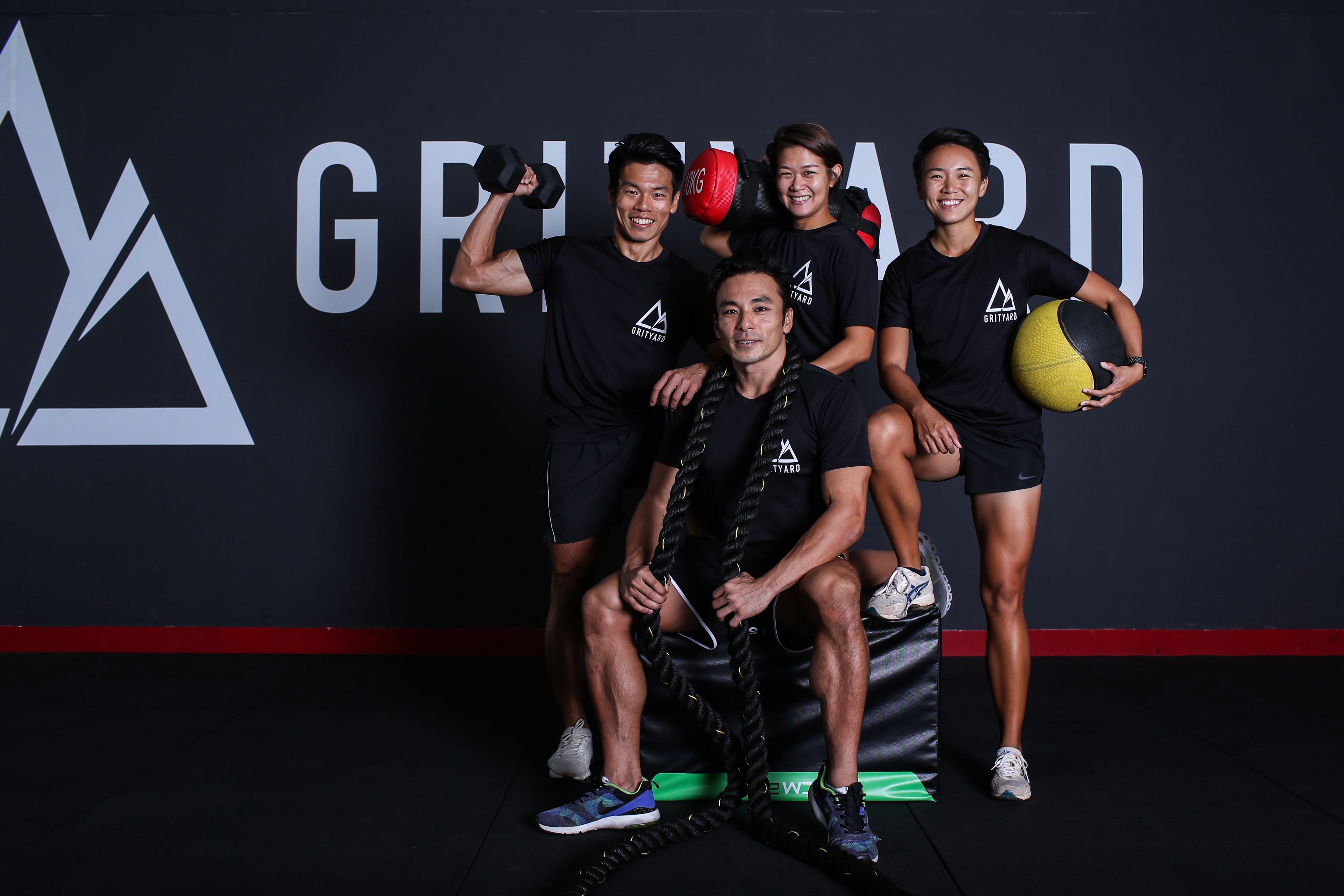
Train Smart at GRITYARD
GRITYARD's trainers are just there to be your cheerleader. We want you thriving for the long haul. Our programs balance serious work and recovery, so you get strong—without torching your joints.
Ready to stop just “getting through” your sessions and get deep and proper guidance on how to challenge yourself and your fitness?
Book your GRITYARD consultation and let’s build a game plan that keeps you moving for years.