
Exercises
The Most Underrated Core Exercise You’re Probably Not Doing Right
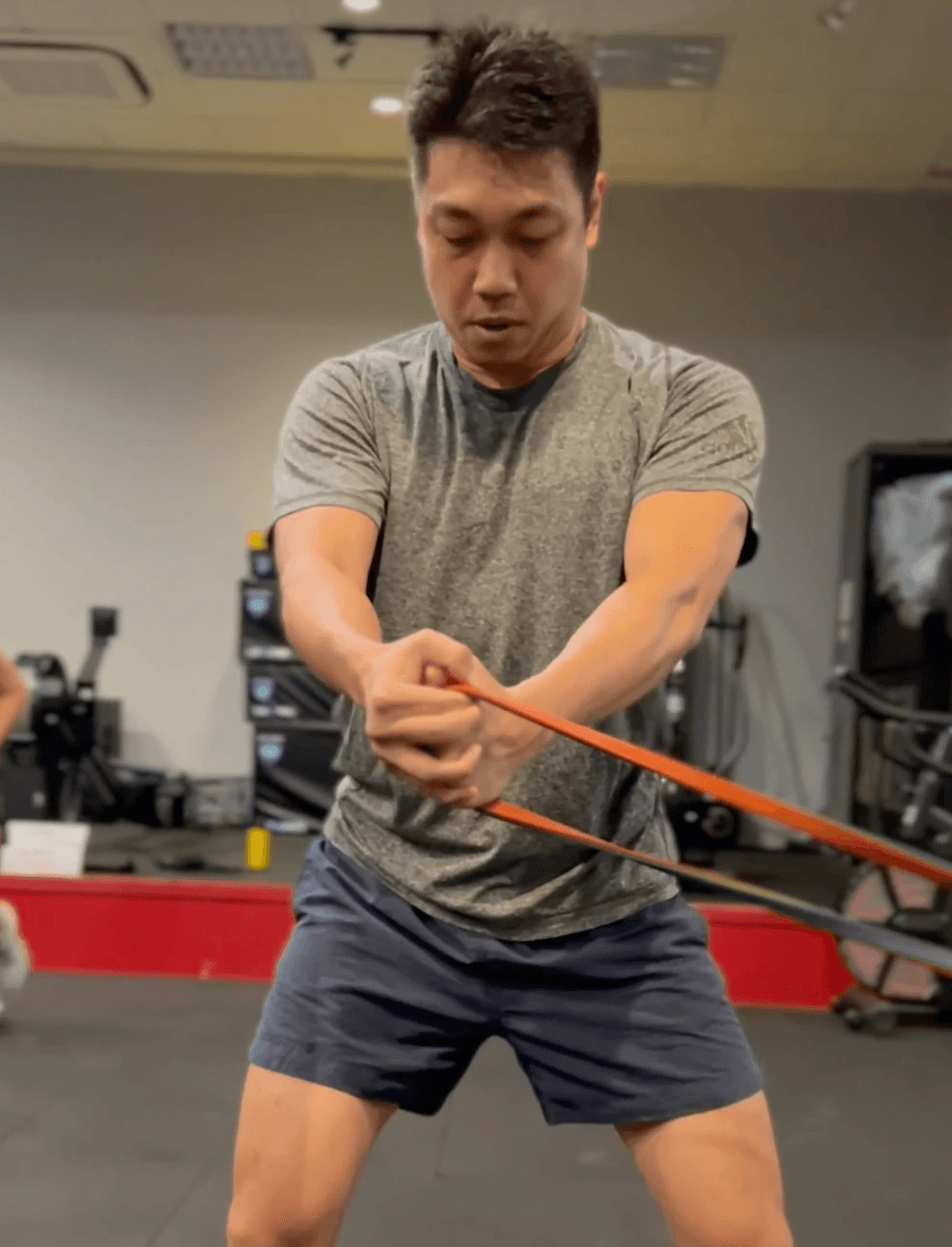
What Is the Pallof Press
Origins and Purpose
The Pallof Press may not be as showy as heavy deadlifts or as common as crunches, but it achieves something most core exercises do not—it teaches your body to resist movement, not just create it.
Named after physical therapist John Pallof, this exercise aims to train the core in a way that mirrors real-life movements. Instead of bending or twisting repeatedly, the Pallof Press emphasizes stability by holding your position while an external force tries to pull you out of alignment.
This is where its true value lies.
Why It’s Different from Traditional Core Exercises
Many people think of core training as involving movement—like sit-ups, Russian twists, or leg raises. These exercises focus primarily on flexion and rotation.
However, your core’s main job is to prevent excessive movement, especially when under load.
Consider everyday activities like carrying groceries, running, or lifting weights. Your spine needs to remain stable while your limbs are in motion. This involves anti-rotation, anti-extension, and anti-flexion working together.
The Pallof Press specifically trains these functions.
Why the Pallof Press Matters
Anti-Rotation and Core Stability
At its core (no pun intended), the Pallof Press is an anti-rotation exercise. You resist the pull of a cable or band trying to rotate your torso.
This engages your deep core muscles, such as the transverse abdominis and obliques, to stabilize your spine.
In contrast to crunches, which mainly target surface muscles, the Pallof Press builds functional core strength. This strength protects your body during movement.
Real-World Strength Application
This is where things become practical.
Life doesn’t happen in perfect, controlled motions. You constantly face uneven loads, unexpected shifts, and dynamic movements.
The Pallof Press prepares you for these challenges.
It teaches your body to remain stable when everything else is moving unpredictably. This stability decreases the risk of injury and boosts overall performance.
Muscles Worked in the Pallof Press
Primary Muscles
The Pallof Press targets several key muscles:
Obliques (internal and external)
Transverse abdominis (deep core stabilizer)
Rectus abdominis (to a lesser extent)
These muscles work together to resist rotation and maintain alignment.
Secondary Stabilizers
Beyond the core, other muscles provide support:
Glutes (for pelvic stability)
Shoulders (to hold the press position)
Upper back (to maintain posture)
This makes the Pallof Press a full-body stability exercise, not just a core movement.
How to Perform the Pallof Press Correctly
Step-by-Step Technique
Attach a resistance band or cable at chest height.
Stand perpendicular to the anchor point.
Hold the handle close to your chest.
Brace your core and stand tall.
Press the handle straight out in front of you.
Hold briefly, resisting rotation.
Return slowly to the starting position.
The key is control, not speed.
Common Mistakes to Avoid
Most people rush through the movement or use too much weight.
Watch for these mistakes:
Rotating the torso during the press
Arching the lower back
Letting the shoulders shrug
Losing tension in the core
If you can’t stay perfectly still, the load is likely too heavy.
Benefits of the Pallof Press
Injury Prevention
One of the major benefits of the Pallof Press is its role in preventing injuries.
By boosting core stability, it reduces unnecessary stress on the spine. This is especially important for those who lift weights, run, or participate in sports.
A stable core acts like a protective system that distributes forces more evenly across the body.
Improved Athletic Performance
Athletes depend significantly on core stability.
Whether sprinting, changing direction, or generating power, the ability to control your torso is crucial.
The Pallof Press enhances this control, leading to:
Better force transfer
Improved balance
Greater efficiency in movement
Variations of the Pallof Press
Kneeling and Half-Kneeling Variations
Changing your position can increase the challenge.
The half-kneeling Pallof Press improves hip stability.
The tall-kneeling variation takes away lower body compensation.
These variations force your core to work harder.
Dynamic and Advanced Progressions
For more advanced training:
Add a hold at full extension.
Perform overhead Pallof presses.
Incorporate stepping or walking movements.
These progressions introduce instability and increase difficulty.
How to Program the Pallof Press
Sets, Reps, and Frequency
For most people:
2–4 sets
8–12 reps per side
Controlled tempo
Focus on quality, not quantity.
When to Include It in Your Workout
The Pallof Press fits well:
As part of a warm-up
During core training blocks
As an accessory exercise after strength work
It’s versatile and easy to integrate.
Who Should Be Doing the Pallof Press
Beginners to Advanced Athletes
The beauty of the Pallof Press is its adaptability.
Beginners can use light bands and focus on control. Advanced athletes can increase resistance and add complexity.
It’s also suitable for:
People recovering from injury
Those looking to improve posture
Anyone wanting a stronger, more functional core
Conclusion
The Pallof Press might not look impressive, but it offers something most core exercises do not—true stability.
It teaches your body to resist movement, control force, and maintain alignment. These qualities are essential for both performance and daily life.
If your core training relies heavily on crunches and sit-ups, it may be time to rethink your method.
Sometimes, the most effective exercises are the ones that seem less exciting but can make a significant difference.
FAQs
Is the Pallof Press better than crunches?
They serve different purposes, but the Pallof Press offers more functional stability for real-world situations.Can beginners do the Pallof Press?
Yes, it’s adaptable and suitable for all skill levels.How heavy should I go?
Choose a resistance that allows you to maintain perfect form without rotation.How often should I train it?
Most people can benefit from training it 2–3 times per week.Does it help with back pain?
Yes, it can improve core stability and reduce stress on the spine.
Book a trial session at GRITYARD and experience fitness that makes sense for the real world. The Pallof Press is a staple in our gym because we believe in building the body with real intention. Don't hesitate and give it a shot!