
Mobility
Pro Tips
What Mobility Really Means in Injury Prevention
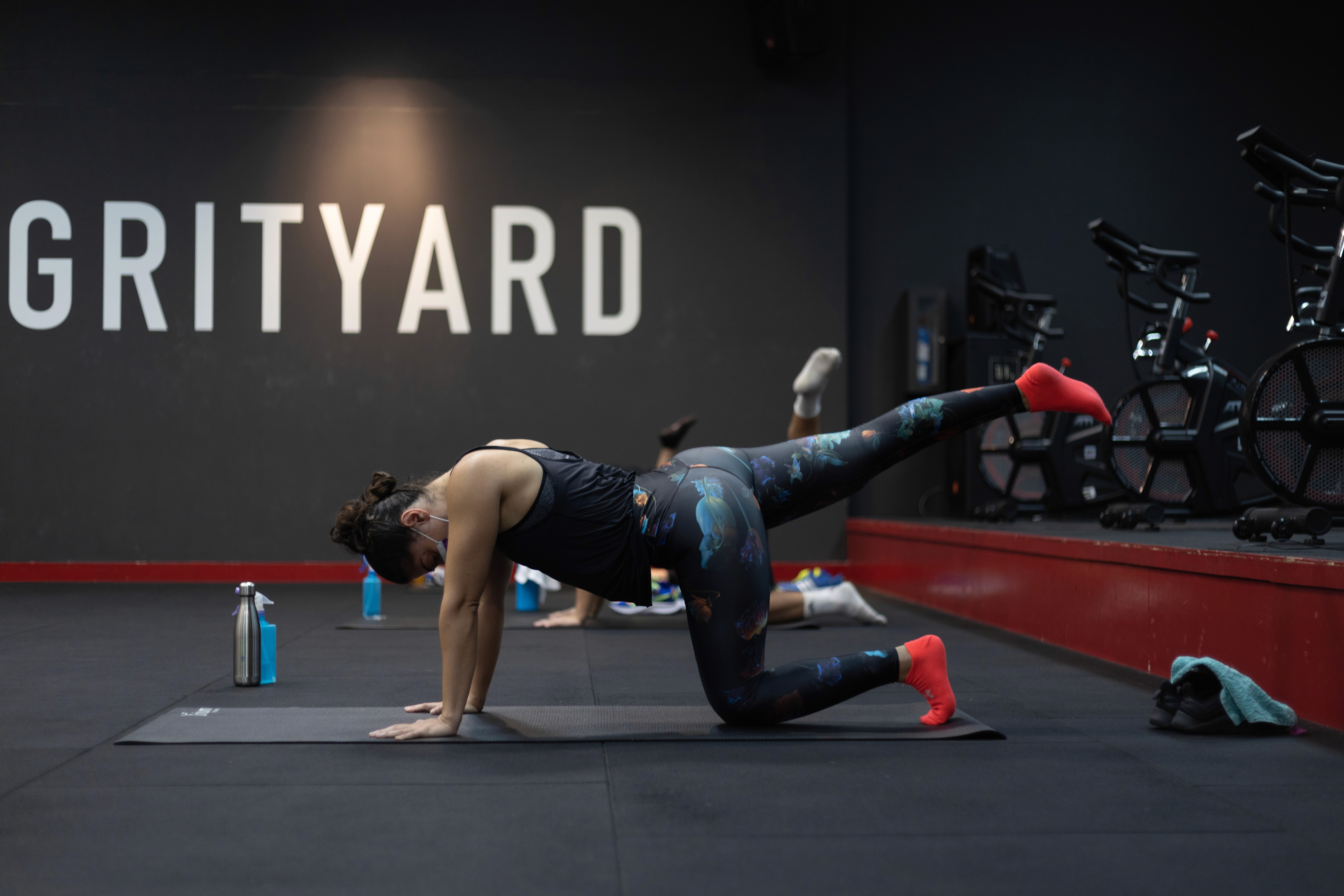
Mobility vs Flexibility vs Movement Quality
When people discuss preventing injuries, they often focus on strength or stretching right away. However, the main issue lies somewhere in the middle, and that’s where mobility comes in.
Mobility isn’t just about how far your joints can move. It’s about how well you can control that movement while under load, at different speeds, and when tired. Flexibility may provide range, but mobility decides if you can safely use that range.
Then, there’s movement quality, which involves how your body coordinates everything together. This is crucial because research consistently shows that movement quality is one of the strongest indicators of injury risk.
Why These Distinctions Matter
If you only concentrate on flexibility, you might gain range without control. If you only focus on strength, you might build force on top of poor movement.
Mobility connects strength, flexibility, and coordination into something usable. When that connection weakens, injuries tend to occur.
What Research Says About Mobility and Injury
Movement Quality as a Predictor of Injury
Recent research highlights an important finding: poor movement patterns significantly increase the risk of injury.
A prospective study on physically active adults revealed that individuals with low-quality movement patterns had up to a seven times higher risk of injury compared to those with better movement quality.
That’s not a small difference; it’s a significant gap.
This indicates something vital. Injuries aren’t just about bad luck or high intensity. They often result from how your body moves under stress.
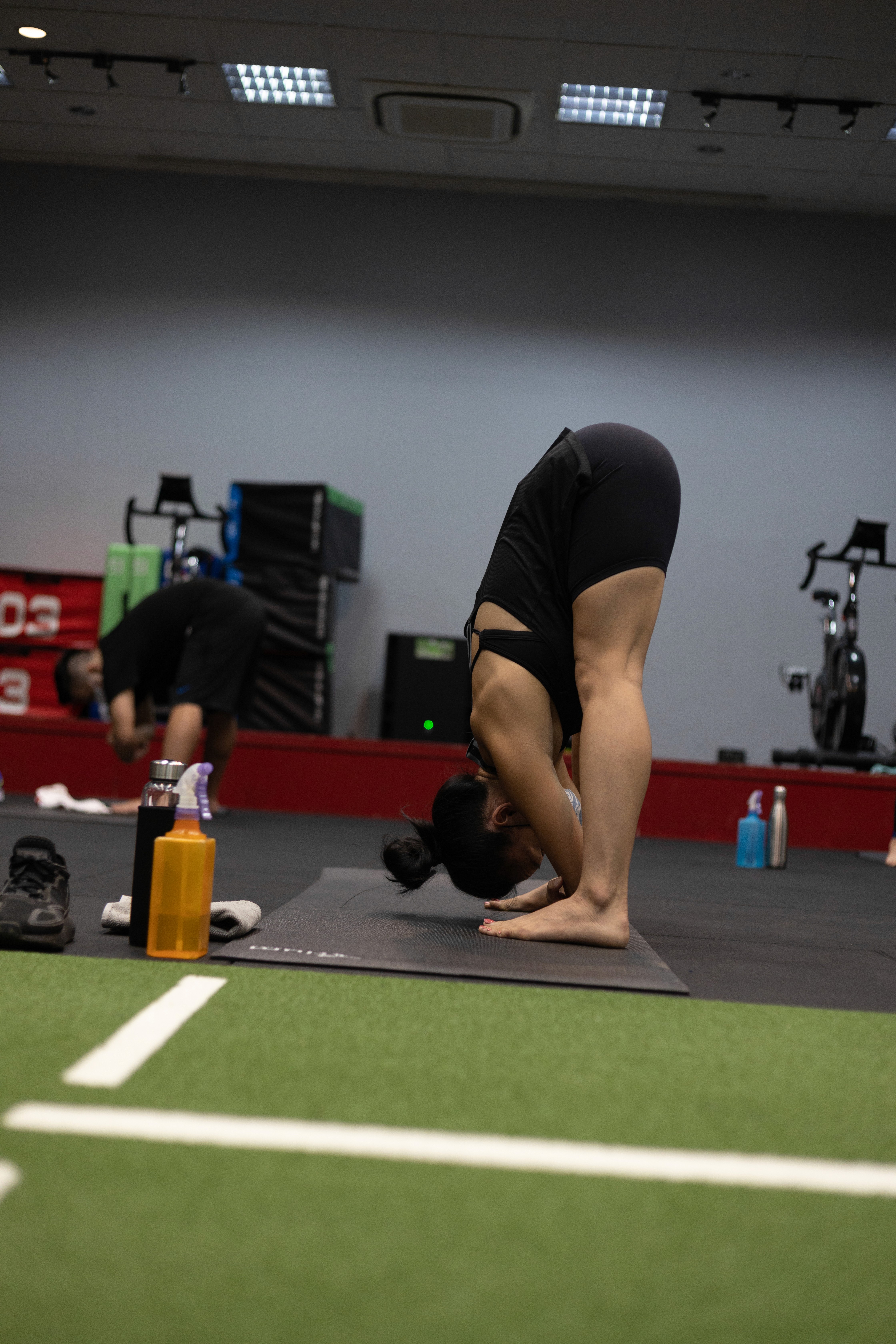
The Role of Flexibility and Joint Range
The same study found that reduced flexibility contributed to increased injury risk, but it was a weaker predictor compared to movement quality. Specifically, every small reduction in flexibility increased injury risk incrementally.
So, while flexibility alone doesn’t tell the whole story, it still plays a role—especially when paired with poor movement control.
The “Too Little vs Too Much” Mobility Problem
Restricted Mobility and Injury Risk
When mobility is limited, your body has fewer options and compensates.
For example:
Tight hips lead to the lower back taking over.
Limited shoulders cause the neck to compensate.
Restricted ankles make the knees absorb more stress.
Research shows that movement restrictions and asymmetries significantly raise injury risk. Even small increases in restriction lead to measurable increases in injury rates.
In simple terms, the less your joints can move, the more other structures have to endure.
Hypermobility and Instability Risks
But it gets tricky—more mobility isn’t always better.
Studies on joint hypermobility indicate that excessive range can lead to reduced body awareness and altered muscle function.
In some groups, hypermobility is linked to higher injury risk, especially in sports.
So the goal isn’t maximum mobility; it’s controlled mobility.
The Role of Movement Patterns
Functional Movement Screening Insights
Movement screening tools, like the Functional Movement Screen (FMS), are often used to assess injury risk. While they’re not perfect, they highlight an important principle:
It’s not just about how strong or flexible you are; it’s about how well you move.
When movement patterns are inefficient, your body distributes stress unevenly. Over time, this causes overload in specific areas.
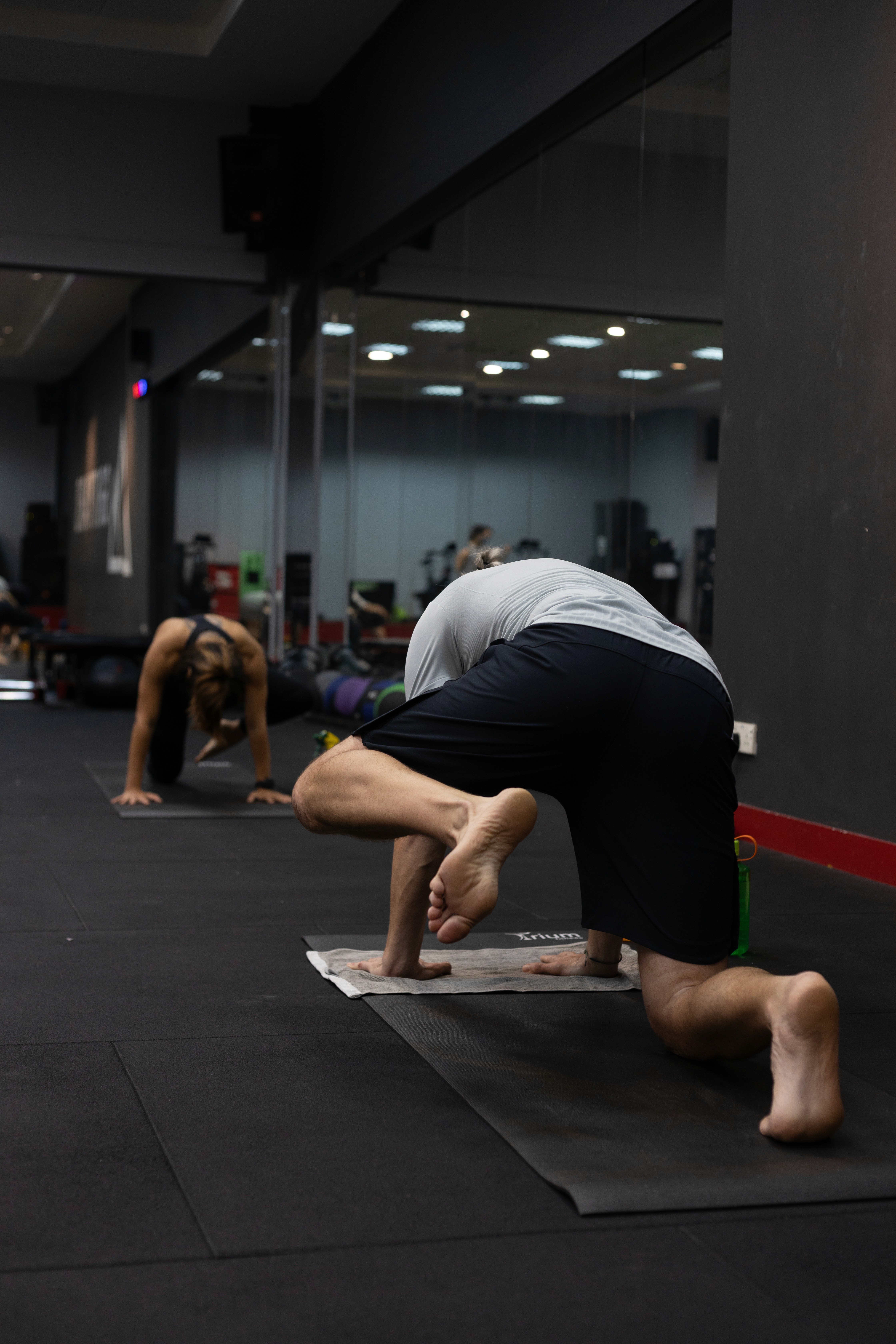
Compensation and Injury Mechanisms
Most injuries don’t happen suddenly; they build up.
Your body compensates quietly:
One joint loses range.
Another takes on extra load.
Muscles adapt to support the imbalance.
Eventually, something gives.
Mobility training can help break this cycle by restoring balance and improving how forces are distributed across the body.
Mobility, Aging, and Injury Risk
Decline in Movement Efficiency
As we age, mobility naturally declines—but the bigger issue is how that decline affects movement efficiency.
When joints don’t move well, tasks become harder and less stable. This increases the chances of missteps, poor mechanics, and overload.
Increased Fall and Injury Risk
In older adults, reduced mobility is directly linked to a higher risk of injury, particularly falls.
Research shows that worse mobility scores are associated with a significantly higher risk of falls. There are measurable increases in fall risk as mobility declines.
And falls aren’t just minor events; they’re one of the leading causes of serious injuries in older populations.
Why Most Training Misses This Link
Output vs Quality
Many training programs focus on output:
Lift heavier.
Move faster.
Do more.
But output without quality leads to problems.
You can be strong and still move poorly. You can be fit and still be at risk.
The Cost of Ignoring Movement
When mobility and movement quality are ignored, injuries don’t appear immediately, but they accumulate.
When they do surface, they’re often blamed on intensity, volume, or age—when the true issue was movement all along.
What This Means for Your Training
Building Resilient Movement
To reduce injury risk, you should focus on:
Joint control.
Movement symmetry.
Range of motion under load.
This doesn’t replace strength or conditioning; it supports it.
Practical Takeaways
Instead of just asking:
“How much can I lift?”
Start asking:
“How well do I move?”
Because in the long run, that question is more important.
Conclusion
The link between mobility and injury isn’t just a theory; it’s supported by consistent research.
Poor movement quality significantly increases injury risk.
Restricted mobility leads to compensation and overload.
Excessive mobility without control creates instability.
The takeaway is simple: it’s not about having more mobility; it’s about having better control of it.
That control is what keeps you training—not just today, but for the long haul.
Mobility training isn’t just some passing trend. It’s what your body has been crying out for. It helps you move, feel, and live better—every single day. If you’re stuck, stiff, or frustrated with your progress, maybe you just need to change how you move, not how much you work. Sometimes, the smartest thing you can do is just try something different. Mobility is that difference.
Book a trial session at GRITYARD and experience fitness that makes sense for the real world.
FAQs
Does poor mobility directly cause injuries?
Not always directly, but it significantly increases risk by creating compensation patterns.Is flexibility enough to prevent injuries?
No. Flexibility alone is a weak predictor. Movement quality matters more.Can too much mobility be harmful?
Yes. Hypermobility without control can lead to instability and a higher risk of injury.How can I test my mobility?
Movement assessments like squats, lunges, and overhead reach can provide basic insights.What’s the best way to improve mobility?
Combine strength, control, and range of motion training—not just stretching.