
Mobility
Exercises
Why Mobility Training Might Be the Missing Piece in Your Fitness Journey
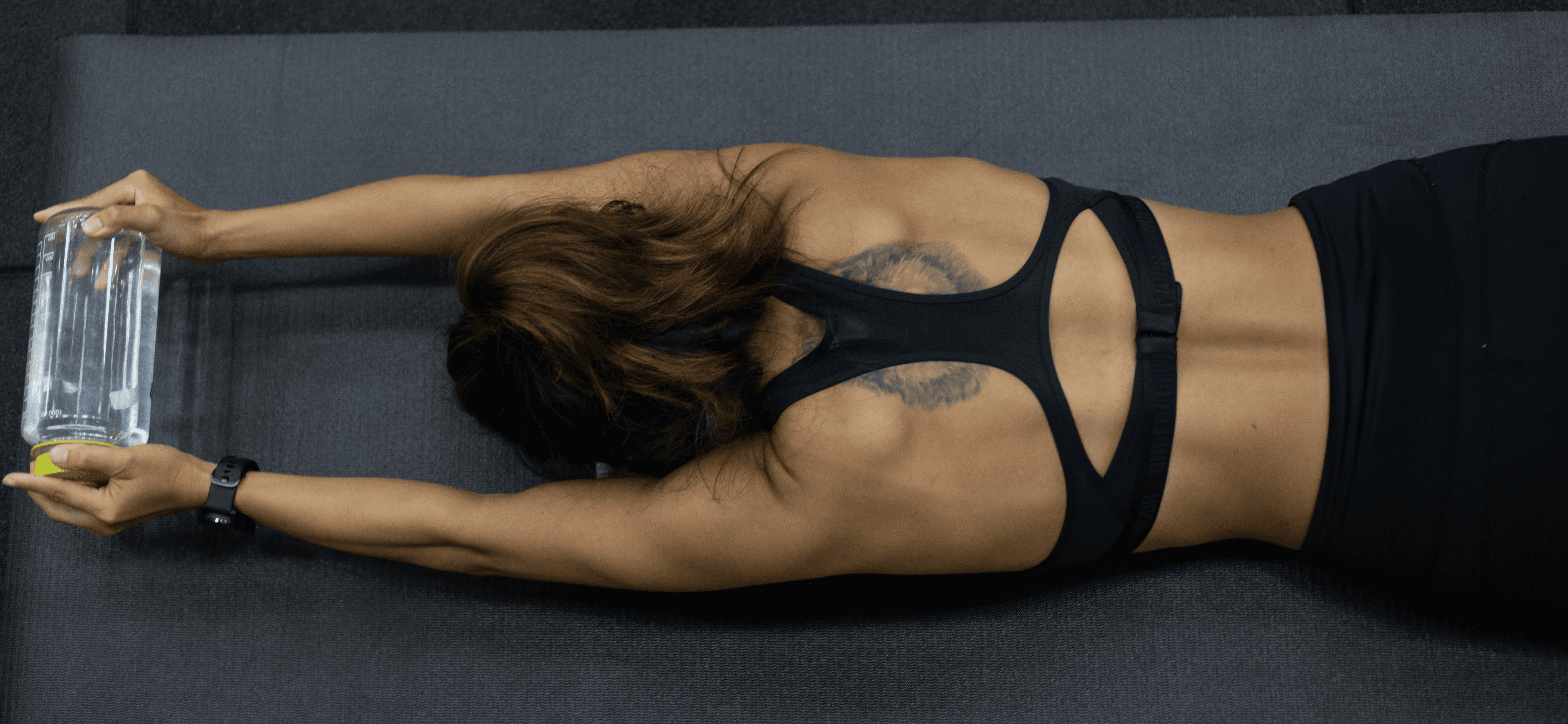
What Is Mobility Training (And Why It Matters)
Let’s be real—you’ve probably bent down to tie your shoes or tried to touch your toes and ended up thinking, “Wow, my body just isn’t having it today.” Most of us blame that on not being flexible enough. But honestly, flexibility is just one piece of the puzzle. The bigger piece? That’s mobility.
Mobility is all about how well you can actually use your joints through their full range of motion, with strength and control. Flexibility just means your muscles can stretch far, but that doesn’t guarantee you can move well. It’s kind of like owning a car that can drive really fast, but only if you roll it downhill—the power and control just aren’t there. Mobility means you have both the range and the control to move how you want, whenever you need to.
Why does this matter? Because you can be stretchy as a rubber band but still struggle with regular stuff like squatting, reaching up, or even just sitting comfortably. Good mobility ties your muscles, joints, and nervous system together so your whole body moves in sync.
Why People Mix Up Flexibility and Mobility
It’s not your fault—almost everyone grew up hearing, “Just stretch more!” Sure, stretching feels good, and it has its place, but by itself, it doesn’t help you build strength, stability, or coordination. That’s why you might stretch every day and still feel as tight as a drum.
Mobility training goes further. It gets you moving actively and teaches your body to control that movement. Instead of forcing yourself into a stretch, you’re training your body to move smoothly and naturally. It really changes the whole way you approach fitness—and life outside the gym, too.
Why You’re Feeling Stiff (Even if You Don’t Realize It)
Ever wake up feeling like you slept on a plank, or notice your hips and back are stiff after a day at the computer? That’s your body waving a big red flag. It’s not just aging or sleeping wrong—it’s the result of not moving enough or not moving the right way.
The way we live today doesn’t help. We sit, we scroll, we repeat the same positions every day. Over time, you end up with tight hips, locked shoulders, and a back that barely wants to twist. These small issues add up and spill over into how you exercise, relax, and even how you hold yourself standing in line.
Mobility training digs up these problems at the root. Rather than just covering over the aches with painkillers or hoping for a miracle, you actually start moving better—and those everyday aches start to fade.
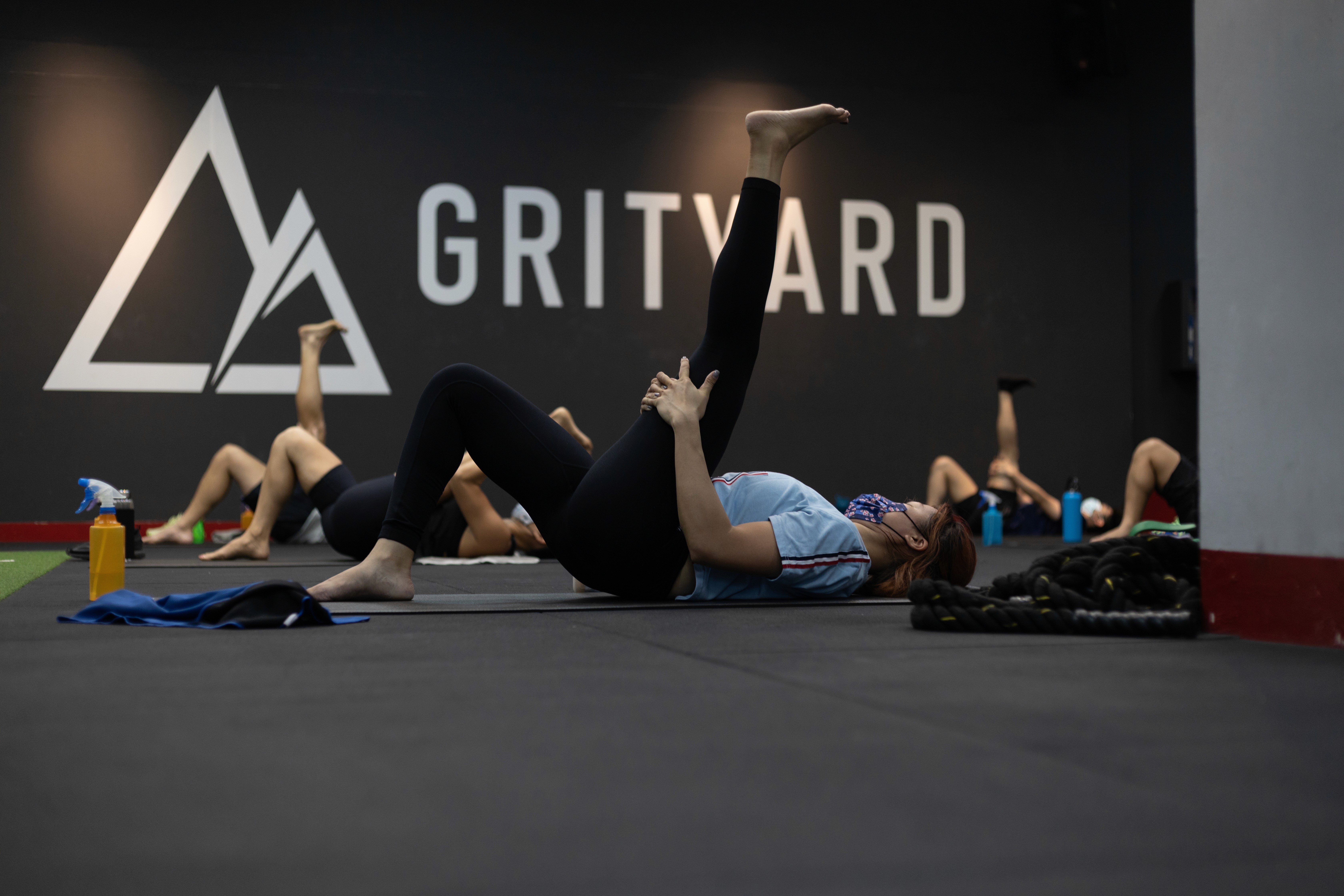
Plateauing with Strength or Results? Mobility Could Be Your Missing Link
If you’re working out but hitting a wall with your progress, the problem might be your movement, not your effort. For example, if your hips are as tight as a drum, your squat will always feel awkward. If your shoulders can’t move freely, anything overhead will feel unstable or even painful.
Once you unlock better mobility, suddenly everything gets easier and smoother. Your lifts go up, your confidence climbs, and you feel more in control of your movements. It’s like upgrading the software on your phone: The hardware (your muscles) has always been capable—you just needed a better system.
The Good Stuff Mobility Brings
Move Better, Feel Better
One of the first surprises with mobility training is just how much lighter and smoother your body feels. Those everyday movements—bending, reaching, twisting—don’t feel stiff or clunky anymore. Even things like sitting, walking, or just standing up straight start to feel easier.
You’ll probably notice your posture getting better without your having to think about it. You’ll have more energy, because your muscles won’t have to work overtime fighting tension day after day.
Stop Getting Hurt All the Time
You might not plan on getting hurt, but limited movement and funky habits set you up for injuries. When one part of your body can’t do its job, another part takes over, and that’s where trouble starts.
Mobility training helps every joint pull its weight. You get stronger support, better alignment, and less wear and tear. Think of it like changing the oil in your car—you wouldn’t wait for the engine to seize up before you did it. Mobility work is maintenance for your body.
Get Stronger, Not Just More Flexible
This might surprise you: Improving your mobility actually helps you get stronger. When your joints move the way they’re supposed to, your muscles can work harder, go deeper, and lift more—safely. Suddenly, exercises that felt awkward grow smoother and you keep progressing, instead of getting stuck on the same plateau.
The Science Backs It Up
Plenty of research shows that mobility training boosts performance, cuts injury risk, and helps your body recover faster. It keeps your joints lubed, blood flowing, and muscles ready to go. You don’t need to spend hours on it; just a handful of minutes a day is enough to start seeing results.
And there’s more going on under the hood than just stretching; you’re retraining your nervous system. Your brain gets the message that it’s safe and normal to move this way, and your body starts making it second nature.
Do You Need Mobility Training? Probably!
If your hips feel locked up, your back aches, or you have trouble reaching overhead, your body’s telling you to pay attention. Poor posture, stiffness, or even just feeling awkward during regular movement are all signs that your mobility could use some love. These things don’t magically fix themselves—you’ve got to practice moving the right way.
How to Start: Keep It Simple
Getting started doesn’t have to be complicated. Try some hip circles, shoulder rolls, or gentle spine twists—anything that gets you moving different ways. Consistency matters way more than complexity, so aim for 5–10 minutes a day.
At first, you might feel a little awkward or even uncomfortable, but that’s just your body getting used to a new way of moving. Give it a few weeks and you’ll notice less stiffness, more range, and movements that just feel smoother.
Long-term? Your body gets used to moving well, and it just becomes who you are.
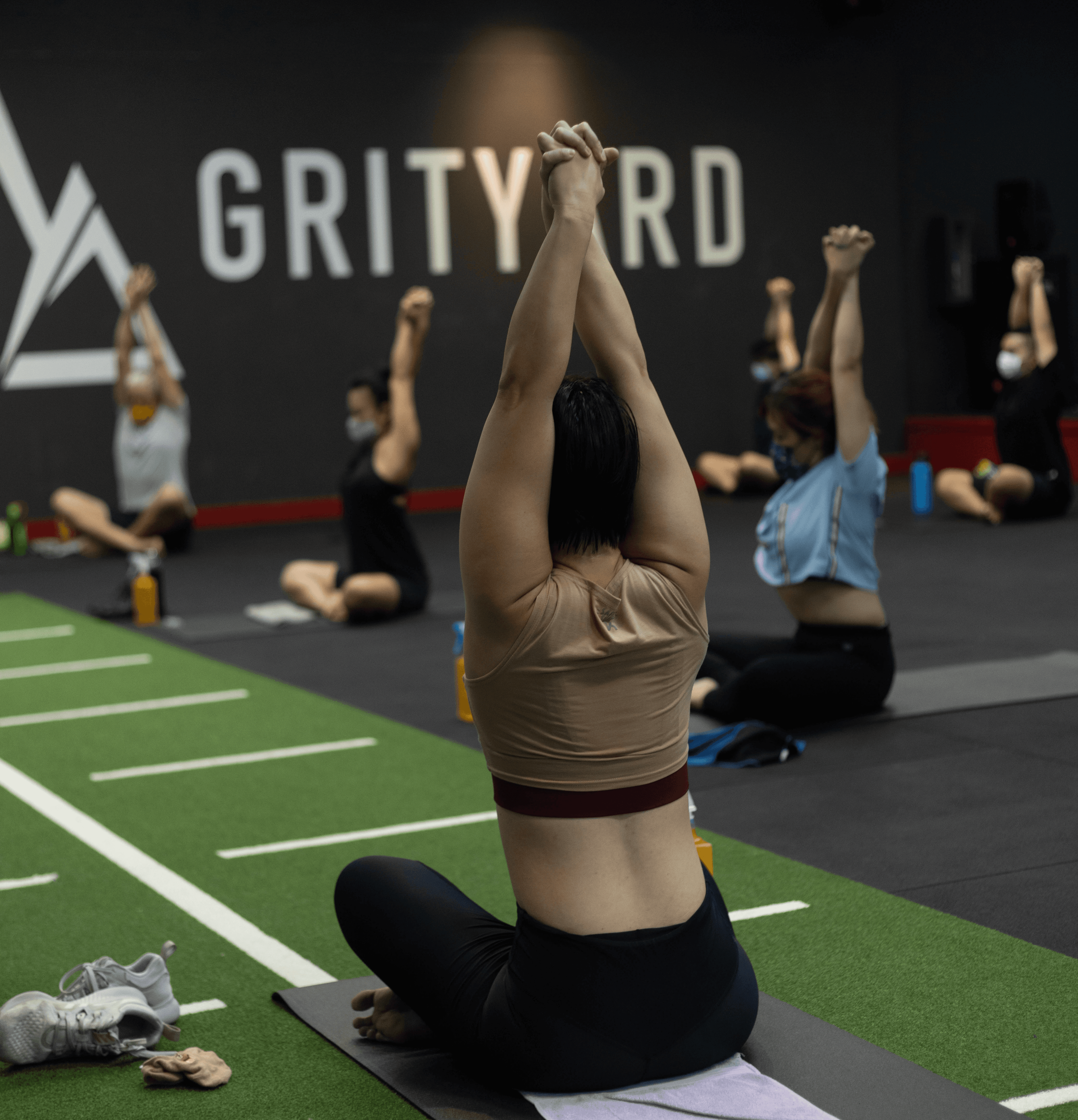
Let’s Bust a Couple Myths
“I’m Not Flexible Enough.” Doesn’t matter. Mobility training is for you—at any age, any ability.
“It’s Just Stretching.” Not even close. This is active, controlled training—real movement that carries over to real life.
Our Approach at the Gym
At GRITYARD, mobility isn’t a side note—it’s front and center. Whether you’re brand new or a seasoned athlete, we teach you practical movements that you can actually use in and out of the gym. No overly complicated routines or fancy names. It’s progress, not perfection.
Why Mobility Matters for the Future
People don’t just want to look good anymore—they want to feel good, stay active, and live better. Mobility is the bridge. It’s not about working harder; it’s about moving smarter. And once you feel that difference, there’s no going back.
Bottom Line
Mobility training isn’t just some passing trend. It’s what your body has been crying out for. It helps you move, feel, and live better—every single day. If you’re stuck, stiff, or frustrated with your progress, maybe you just need to change how you move, not how much you work. Sometimes, the smartest thing you can do is just try something different. Mobility is that difference.
Book a trial session at GRITYARD and experience fitness that makes sense for the real world.