
Opinion
Pro Tips
Why Gym Machines Won’t Help You Move Better: The Truth About Functional Strength Training
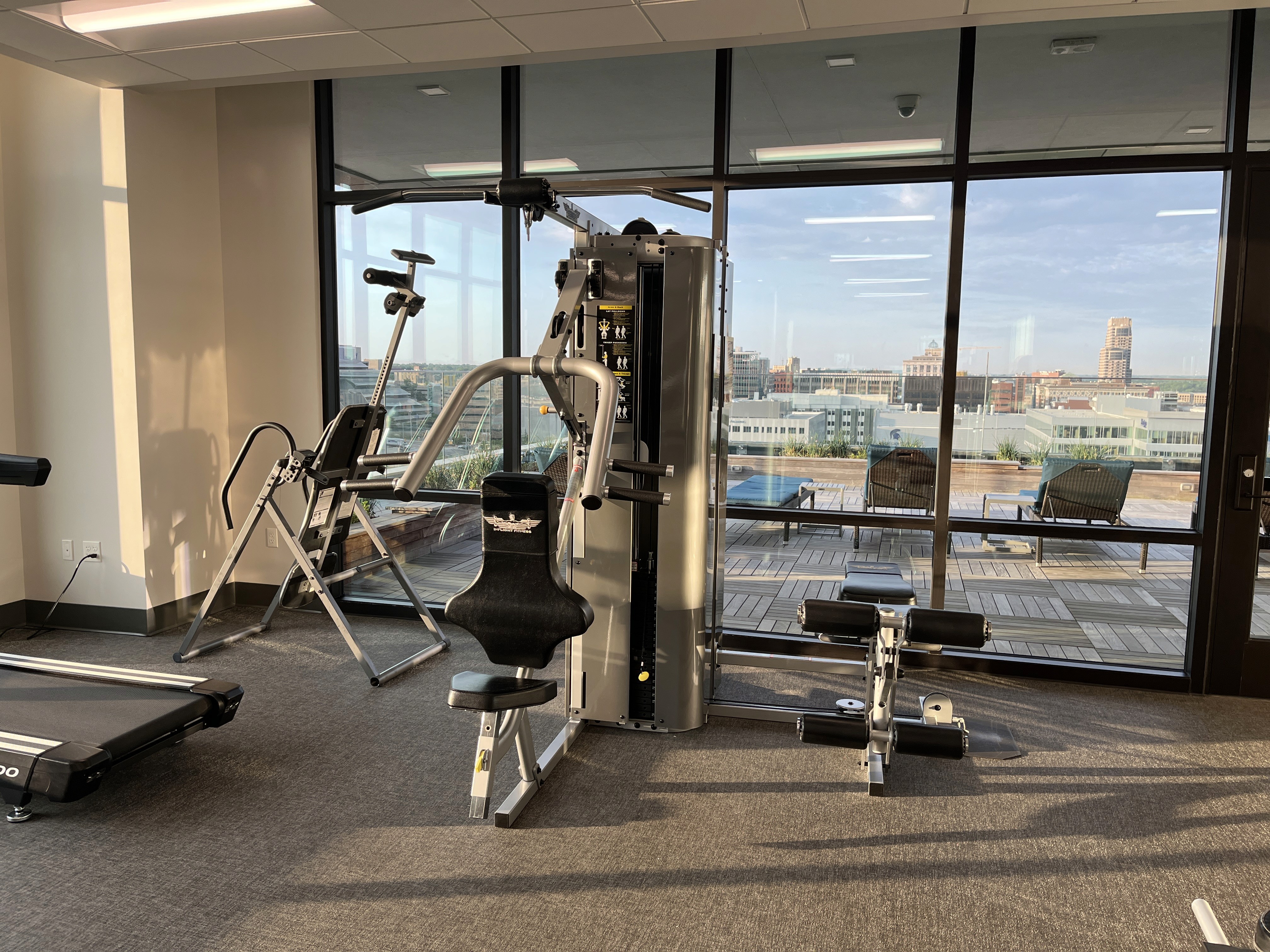
The Rise of Gym Machines in Modern Fitness
Gym machines changed the fitness industry forever. They became popular during the 1970s fitness boom. At that time, gyms needed safety and efficiency. Machines provided a simple solution.
They required less coaching and lowered injury risks. As a result, gyms could operate longer hours with fewer staff. This convenience allowed businesses to grow quickly. However, convenience often comes with trade-offs.
While machines made workouts easier, they also took away skill from training. Users could sit, push, or pull without much thought. Consequently, movement quality became less important.
Gym Machines vs. Free Weights: What’s the Real Difference?
Gym machines guide your body through fixed paths. This design removes the need for balance and coordination. In contrast, free weights require control and stability.
Machines effectively isolate specific muscle groups. Therefore, bodybuilders often prefer them for muscle growth. However, isolation does not equal functional strength.
Free weights and movement-based exercises engage multiple muscles at once. As a result, your body learns to work as a unit. This coordination improves real-life performance.
The Problem with Machine-Based Workouts
Machine-based workouts may build muscle size. However, they do not teach your body how to move properly. This creates a gap between strength and function.
For example, you may lift heavy weights on a machine. Yet, you might struggle with simple daily tasks. This disconnect often leads to frustration.
Moreover, machines reduce the need for stabilization. Your body does not learn to control movement under pressure. Consequently, strength becomes less usable outside the gym.
Why You Still Have Pain Despite Training
Many people train regularly but still experience pain. Back pain and knee issues are common complaints. This problem often comes from poor movement patterns.
Machines do not train your body to stabilize naturally. Therefore, weak stabilizing muscles stay underdeveloped. Over time, this imbalance creates stress on joints.
Additionally, a lack of coordination raises injury risk. Even strong muscles cannot protect you without proper control. As a result, pain continues despite regular workouts.
What Is Functional Strength Training?
Functional strength training focuses on real movement. It trains your body to stabilize, coordinate, and produce force together. This approach builds usable strength.
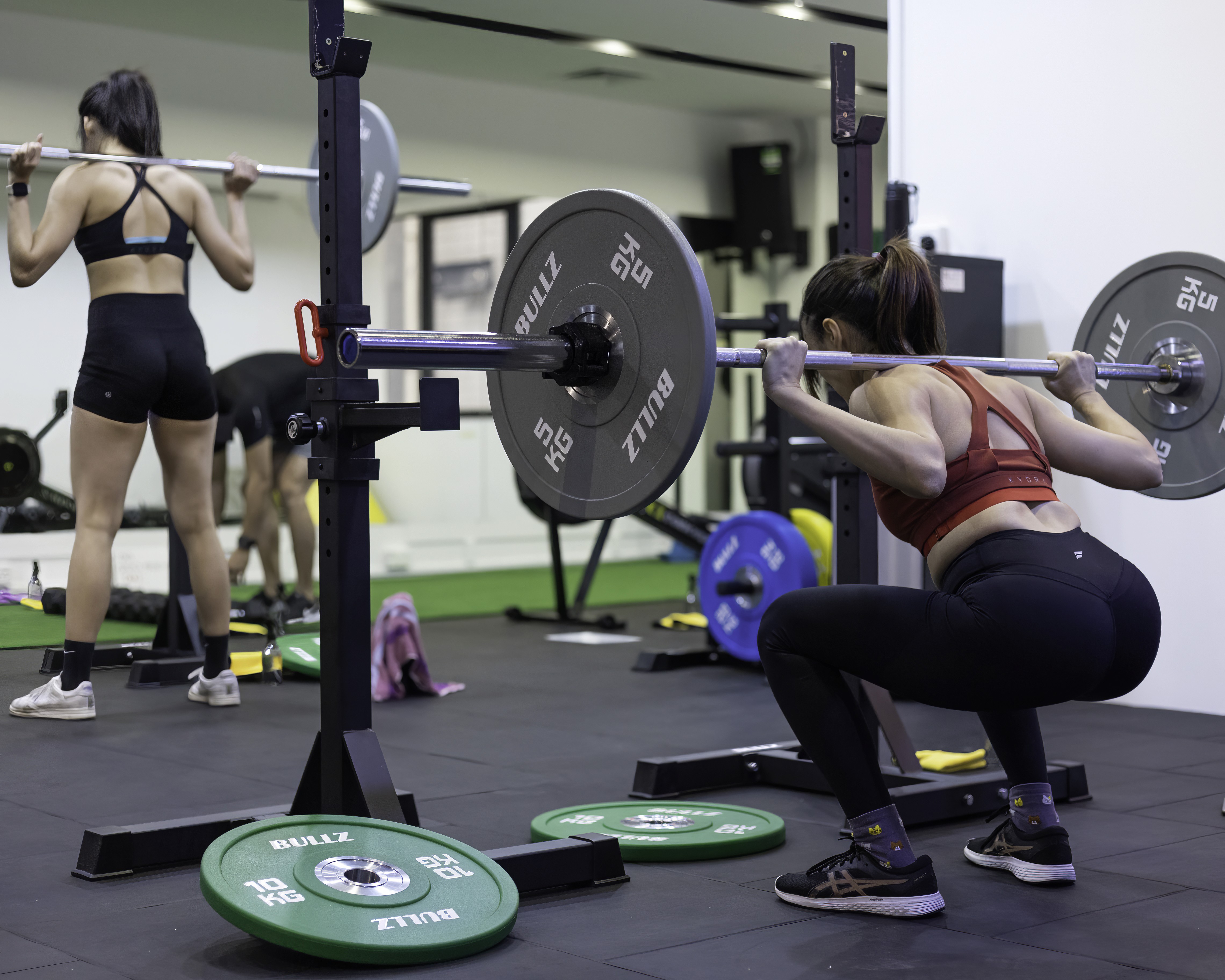
Exercises like squats and deadlifts improve full-body coordination. Meanwhile, carries and jumps enhance stability and power. These movements mimic real-life activities.
Furthermore, agility drills develop quick and controlled motion. This combination creates strength that transfers into daily life. Therefore, functional training gives lasting results.
The Importance of Strength Transfer
Strength transfer means applying gym strength in real situations. Without it, workouts lose practical value. Machines often limit this transfer.
Movement-based training greatly improves strength transfer. Your body learns to handle unpredictable situations. As a result, everyday tasks become easier.
For instance, lifting groceries or climbing stairs feels natural. This improvement lowers injury risk and boosts confidence. Therefore, training becomes more meaningful.
Benefits of Movement-Based Training Over Machines
Movement-based training has several advantages. First, it improves coordination and balance. These skills are essential for daily life.
Second, it strengthens stabilizing muscles. This reduces joint stress and helps prevent injuries. Additionally, it enhances overall mobility.
Third, it promotes better body awareness. You learn how your body moves and reacts. Consequently, performance gets better both inside and outside the gym.
Finally, it creates a more resilient body. Strength becomes adaptable rather than limited. This adaptability supports long-term health.
How to Build a Body That Moves Without Pain
Start by focusing on compound movements. Exercises like squats and deadlifts should form your foundation. These movements train multiple muscle groups at once.
Next, include stability and coordination drills. Balance exercises and carries improve control. Therefore, your body learns to handle real-world demands.
Also, prioritize proper technique over heavy weights. Good form ensures safe and effective training. As a result, you lower injury risk.
Additionally, include mobility work in your routine. Stretching and dynamic movements improve flexibility. This helps your body move freely.
Finally, stay consistent with movement-based training. Progress takes time, but results last. Therefore, patience is essential.
The Fitness Industry’s Focus on Convenience
The fitness industry often promotes convenience. Machines are easy to use and widely available. Therefore, they attract many users.
However, easy does not always mean effective. While machines serve a purpose, they should not dominate training. Balance is critical.
Gyms benefit from machines due to efficiency. Yet, individuals need more than convenience. They need functional movement and real strength.
The Ultimate Goal: Move Better for Life
The goal of training goes beyond muscle size. It focuses on building a body that moves freely. Pain-free movement should be the priority.
Functional strength supports daily activities and long-term health. Therefore, training must include real movement patterns.
A strong body is not just powerful. It is coordinated, stable, and adaptable. This type of strength improves quality of life.
In conclusion, machines have their place in fitness. However, they should not replace movement-based training. Focus on building strength that translates into life. That is the true measure of fitness.
Book a trial session at GRITYARD and experience fitness that makes sense for the real world.